What is sarcoidosis?
Sarcoidosis is an inflammatory disease that affects one or more organs but most commonly affects the lungs and lymph glands. As a result of the inflammation, abnormal lumps or nodules (called granulomas) form in one or more organs of the body. These granulomas may change the normal structure and possibly the function of the affected organ or organs.
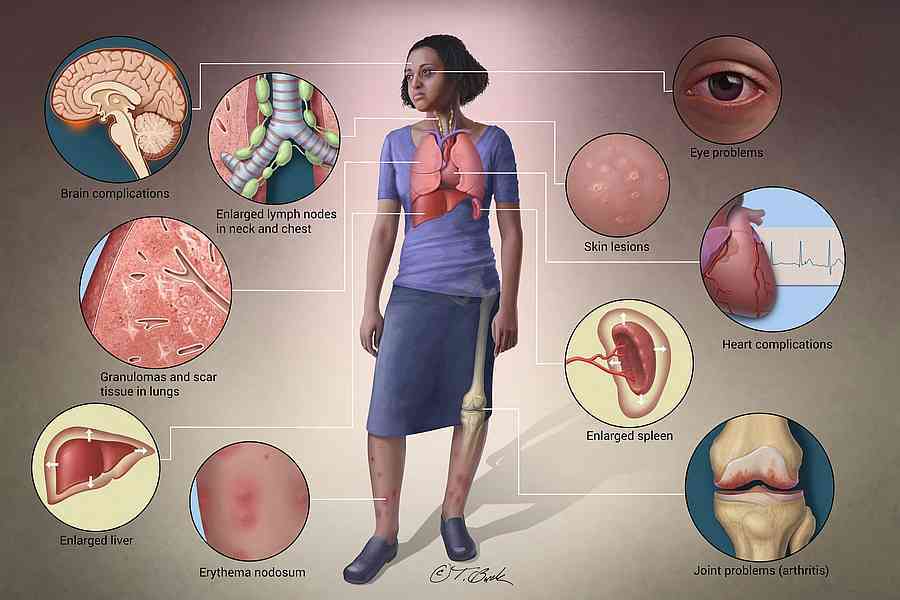
How sarcoidosis progresses
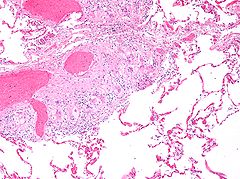
At the tissue or cellular level, sarcoidosis disease progression can be divided into three phases:
- The first change that is seen is inflammation.
- In the second phase, granulomas form. Granulomas are masses or nodules of chronically inflamed tissue and are the classic sign of sarcoidosis. Granulomas are the body’s attempt to wall off or isolate organisms and other foreign particles that are difficult for the immune system to eradicate or dispose of.
- In the third phase, fibrosis (scarring) of tissues or organs occurs. If scarring is extensive in a vital organ, sarcoidosis is sometimes fatal.
In some people, the disease advances from one phase to the next in the tissues of the organ affected. In others, the different phases of tissue changes take place within the same organ at the same time. In many patients with sarcoidosis, the granulomas go away on their own in 2 to 3 years without the patient knowing or doing anything about them. In others, the granulomas progress to irreversible fibrosis.
The immune system changes that allow one person’s disease to progress while another person’s disease resolves are not well understood and continue to be investigated.
What causes sarcoidosis?
The exact cause of sarcoidosis is not known. The disease can appear suddenly and then disappear, or it can develop gradually and produce symptoms that come and go for a lifetime.
Researchers believe that the disease is caused by an abnormal immune response. In a healthy person, inflammation occurs as cells of the immune system come together to fight an intruder at an organ or tissue site. In a person with sarcoidosis, however, cells that come to fight end up clumping together into small lumps called granulomas. Some researchers suggest that fungi, viruses or bacteria are likely triggers.
How sarcoidosis is diagnosed
Because the symptoms and laboratory findings associated with sarcoidosis can occur in other diseases, there is no single test that can diagnose it.
The classic sign of the disease is the formation of granulomas in one or more major organs. Sarcoidosis-related granulomas are not different from granulomas that occur in other diseases. As a result, a complete physical exam and medical history—including occupational history, medication history and environmental exposures—must be made before concluding that the illness is sarcoidosis. Tell your healthcare provider if you have pets or birds, or if for an extended period you were exposed to chemicals and fumes in your job.
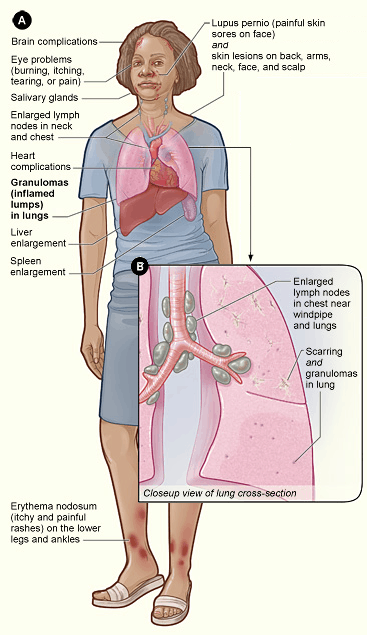
What to expect
Your doctor will probably run routine tests, including drawing your blood, pulmonary function testing and performing a chest X-ray if it was not already done and if you have a new cough that lasts more than a few weeks or new shortness of breath.
If you have abnormal chest X-ray findings that show enlarged lymph nodes or spots on your lungs, you may be sent to a lung specialist or surgeon for a biopsy specimen. This sample can help doctors understand what’s causing your symptoms and abnormal X-ray results. Because other diseases or infections can cause enlarged lymph nodes similar to sarcoidosis, it’s important to be properly diagnosed so you can get the right treatment.
After your doctors get the results from your tests, a specialist will discuss the results with you and decide on a treatment plan that would be best while causing the least amount of side effects. Many patients require no treatment at all but should be followed by a specialist regardless. Specialists who treat sarcoidosis should see you in a follow-up visit after you start treatment. You may have your blood retested to monitor side effects from your sarcoidosis medications.
Diagnostic procedures
There is no blood test that can accurately diagnose sarcoidosis. If you have a skin rash, sarcoidosis sometimes can be diagnosed by a biopsy. Because infections can also cause granulomas that look similar to sarcoidosis, your doctor will test your lung or skin sample for infections such as tuberculosis to rule out other potential causes.
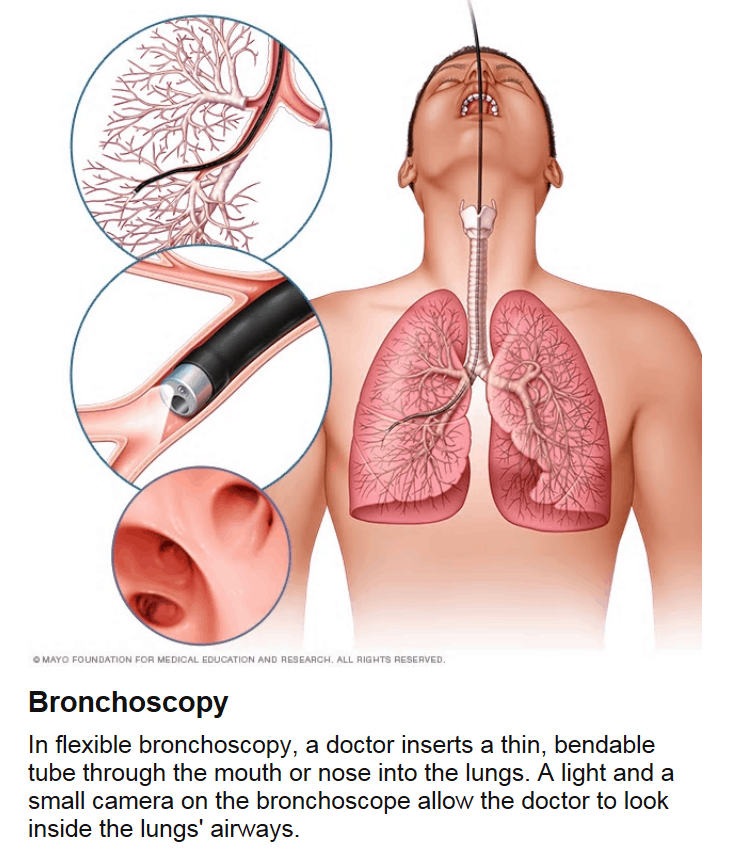
- Bronchoscopy is a procedure performed by a lung specialist on people with abnormal chest X-ray results. The goal is to get a lung or lymph node tissue sample to help make a diagnosis.
- Mediastinoscopy is rarely needed if a bronchoscopy does not make a diagnosis. This procedure is done in a hospital under anesthesia; a surgeon may remove lymph nodes for testing.
- Skin biopsy can be performed in a dermatologist’s office if you have skin rashes or bumps. A small sample is sent to the lab for testing.
How sarcoidosis is treated
There is no cure for sarcoidosis, but the disease may get better on its own over time. Many people with sarcoidosis have mild symptoms and do not require any treatment at all. Treatment, when it is needed, generally falls into two categories: maintenance of good health practices and drug treatment.
Good health practices
- Getting regular check-ups with your healthcare provider
- Eating a well-balanced diet with a variety of fresh fruits and vegetables
- Drinking 8 to 10 8-ounce glasses of water a day
- Getting 6 to 8 hours of sleep each night
- Exercising regularly, and managing and maintaining your weight
- Quitting smoking
- Avoiding exposure to dust, chemicals, fumes, gases, toxic inhalants and other substances that can harm your lungs
- Avoiding excessive amounts of calcium-rich foods, vitamin D and sunlight if your doctor has told you that you have high blood or urine calcium levels
Drug treatments are used to relieve symptoms, reduce inflammation of affected tissues, reduce the impact of granuloma development, and prevent lung fibrosis and other irreversible organ damage.
Corticosteroids are particularly effective in reducing inflammation, and are typically the first drugs used in treating sarcoidosis. The oral corticosteroid prednisone is the most commonly used corticosteroid. For patients who cannot take prednisone or for whom a longer course of treatment is necessary, there are other anti-inflammatory medications that can be used.